
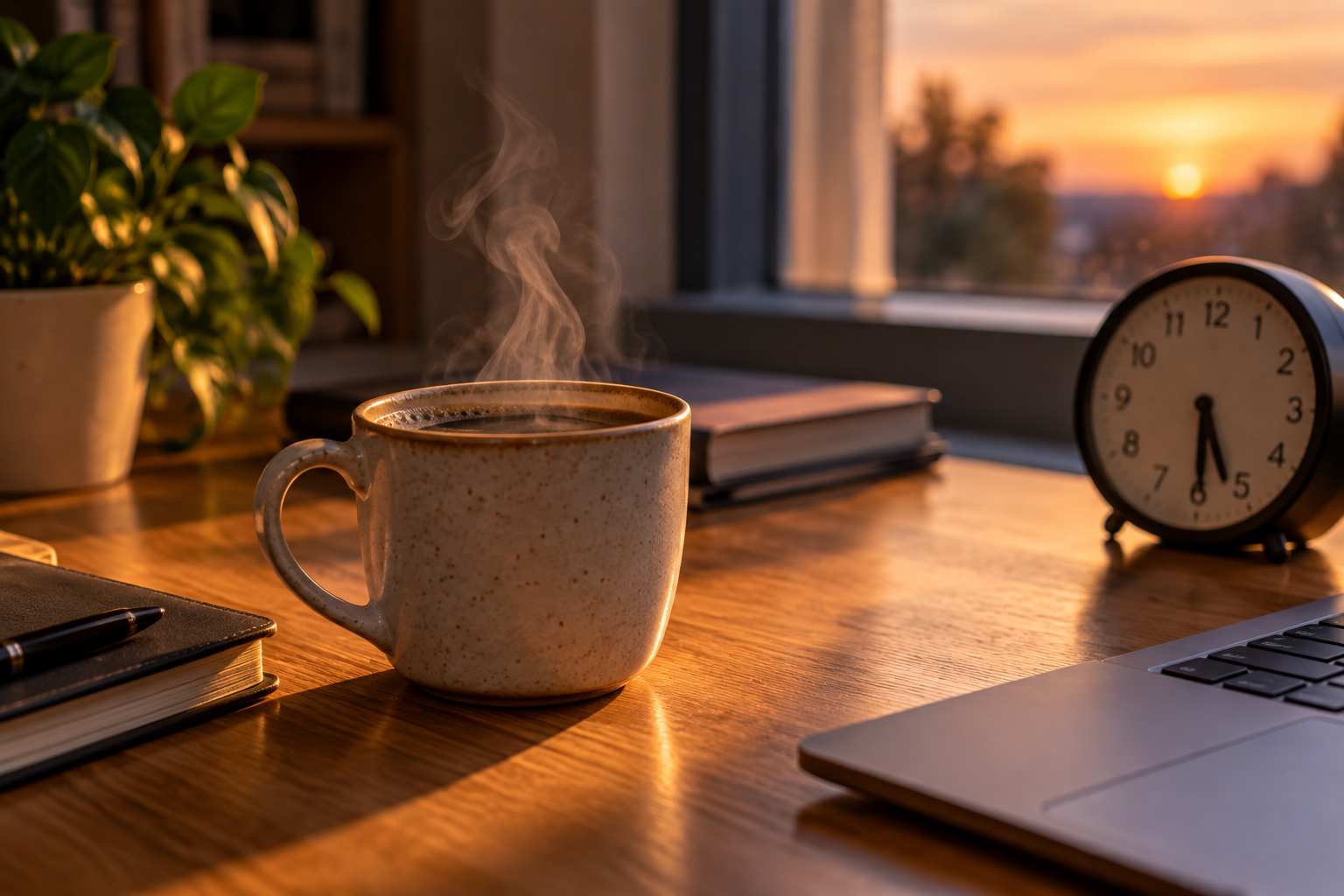
For many people, coffee is part of their daily routine. But understanding how caffeine affects sleep is important. The caffeine that helps you feel more alert during the day can also make it harder to sleep at night — sometimes even when you drank it several hours earlier.
Caffeine affects people differently. Some can drink coffee in the afternoon without noticing much difference, while others may find that even an early afternoon cup interferes with their sleep.
Understanding how caffeine works, how long it stays in your system and when to stop consuming it can help you enjoy caffeine without unnecessarily sacrificing sleep.
How Does Caffeine Affect Sleep?
Caffeine promotes alertness mainly by blocking the effects of adenosine, a chemical messenger that builds up in the brain while you’re awake and contributes to increasing sleep pressure.
Because caffeine interferes with this process, you may feel less sleepy than you otherwise would. If enough caffeine is still active in your body near bedtime, it can make it harder to fall asleep and may also affect the quality of your sleep.
The effects aren’t always obvious. You might still be able to fall asleep after an afternoon coffee while experiencing more subtle changes in how well you sleep.
How Long Does Caffeine Stay in Your System?
Caffeine can remain in your body much longer than the feeling of an energy boost lasts. Its half-life — the time it takes your body to eliminate about half of the caffeine — is around five hours on average, but it can vary considerably from person to person.
For example, if you consume 100 mg of caffeine and your caffeine half-life is about five hours, roughly 50 mg may still be in your body five hours later. After another five hours, around 25 mg may remain.
This helps explain why a coffee in the late afternoon can still influence sleep at night, even if you no longer feel particularly alert.
Why Does Caffeine Affect People Differently?
There is no single caffeine cutoff time that works for everyone. Genetics, age, medications, pregnancy, smoking habits and how regularly you consume caffeine can all influence how quickly your body processes it.
People also differ in how sensitive they are to caffeine. One person may notice little effect from an afternoon coffee, while another may struggle to sleep after consuming the same amount at the same time.
Your own sleep is therefore an important guide. If you regularly have trouble falling asleep or staying asleep, the timing of your caffeine intake is worth looking at.
When Should You Stop Drinking Caffeine Before Bed?
There is no universal cutoff time for caffeine, because people process and respond to it differently. However, caffeine consumed several hours before bedtime can still affect sleep.
If you have trouble sleeping, a practical starting point is to avoid caffeine during the last six hours before bed. However, the effect depends on both the amount you consume and your individual sensitivity, and larger doses may affect sleep even when consumed earlier in the day.
For someone who normally goes to bed at 11:00 PM, for example, a six-hour cutoff would mean having the last caffeinated drink by around 5:00 PM. If sleep problems continue, try moving that cutoff to early afternoon for a week or two and see whether your sleep improves.
Rather than focusing on one perfect cutoff time, experiment with your own caffeine schedule and pay attention to the results.
Does Caffeine Six Hours Before Bed Really Matter?
It can. Research has found that caffeine consumed six hours before bedtime can still disrupt sleep. This is one reason an afternoon or early-evening coffee may matter even when you have no difficulty falling asleep immediately.
The amount matters too. A small cup of tea and a large coffee or energy drink can contain very different amounts of caffeine, so timing alone doesn’t tell the whole story.
How Much Caffeine Is in Coffee, Tea and Energy Drinks?
The amount of caffeine you consume matters as well as the timing. Caffeine content can vary considerably depending on the drink, serving size and how it is prepared.
| Brewed coffee (8 oz / 240 ml) | 80-100 mg |
| Espresso (1 oz / 30 ml) | About 60 mg |
| Black tea (8 oz / 240 ml) | 30-50 mg |
| Green tea (8 oz / 240 ml) | 30-50 mg |
| Energy drink (8 oz / 240 ml) | 40-250 mg |
These are approximate amounts. Caffeine levels can vary significantly between products and serving sizes, particularly with coffee and energy drinks. Check the label when possible if you want to know how much caffeine you’re actually consuming.
Hidden Sources of Caffeine
Coffee may be the most obvious source of caffeine, but it isn’t the only one. If you’re trying to reduce caffeine later in the day, it’s worth checking other foods, drinks and products too.
Tea, cola, energy drinks and chocolate can all contain caffeine. Some supplements and over-the-counter medicines may contain caffeine as well, so check the label if you’re unsure.
Even decaffeinated coffee isn’t completely caffeine-free, although it usually contains much less caffeine than regular coffee. For most people this small amount isn’t a problem, but particularly caffeine-sensitive people may still want to keep it in mind.
What If You Don’t Want to Give Up Coffee?
You don’t necessarily have to stop drinking coffee to improve your sleep. Changing when you drink it may be enough.
Try keeping most of your caffeine consumption to the morning and gradually replacing later drinks with decaffeinated coffee, caffeine-free herbal tea or another caffeine-free option.
If you currently consume a lot of caffeine, reducing it gradually may be more comfortable than stopping suddenly. Abruptly cutting back can cause temporary withdrawal symptoms such as headaches, tiredness and irritability.
Try a Caffeine Experiment
If you’re unsure whether caffeine is affecting your sleep, try changing your routine for one or two weeks and see what happens.
Start by noting when you normally consume caffeine and when you usually go to bed. Then move your last caffeinated drink earlier in the day — for example, from late afternoon to around lunchtime.
During the experiment, pay attention to how easily you fall asleep, whether you wake during the night and how rested you feel in the morning. Try to keep the rest of your sleep routine reasonably consistent so it’s easier to notice whether the caffeine change makes a difference.
If your sleep improves, you may have found a caffeine schedule that works better for you. If nothing changes, caffeine may not be the main factor affecting your sleep.
Find a Caffeine Routine That Works for Your Sleep
Caffeine affects everyone differently, so there isn’t one cutoff time that is right for everyone. The key is understanding that caffeine can remain in your system for hours after you consume it.
If you sleep well, there may be no reason to change a caffeine routine that works for you. But if you regularly struggle to fall asleep or stay asleep, moving your last coffee earlier in the day is a simple experiment worth trying.
You don’t necessarily have to choose between coffee and good sleep. For many people, better timing may be enough to enjoy both.